

Securing clinic fitout approval in Dubai is a mandatory step that ensures your facility complies with zoning, safety, and accessibility standards, while protecting patient health through infection control and fire safety compliance.
Understanding the fit out approval process in Dubai is essential to avoid costly delays and rejections. From room size requirements and ventilation standards to Civil Defence approvals and final DHA inspections, every detail matters.
This guide walks you through the entire journey — highlighting common mistakes, best practices, and the role of trusted partners like Daem Contracting in delivering compliant, patient‑ready healthcare facilities.
By the end, you’ll know exactly how to manage clinic fitout approvals in Dubai step by step, ensuring your project moves smoothly from design to license activation.
Contact Us Now!
Your Project, Our Priority: Fast & Reliable Approvals
Table of Contents
What Is Clinic Fitout Approval?
Clinic fitout approval in Dubai is a mandatory official permit required before you can do renovation, modification, or construction works in any medical facility.
A clinic fitout permit ensures that your clinic’s design, layout, and systems comply with governing regulations, such as Dubai Health Authority (DHA) standards, Dubai Civil Defence (DCD) fire safety rules, Dubai Municipality (DM), Dubai Development Authority (DDA), and Trakhees (EHS).
Clinic fit-out approval guarantees patient safety through infection control, proper zoning, and ease of accessibility for patients with special needs.
A medical centre fitout in Dubai also ensures regulatory compliance with Dubai fitout regulations and coordination with the relevant authority, confirming that your project does not compromise building structure and is aligned with developer requirements.
What Are The Fit-out Approval Layout & Design Requirements?
To secure clinic fitout approval in Dubai, healthcare facilities must demonstrate full compliance with the Dubai Health Authority (DHA) regulations, such as zoning or strategic site selection to ensure accessibility for patients and emergency services, adherence to infection prevention and control protocols, and implementation of robust fire safety measures.
In addition, clinics are required to meet specifications related to space planning, ventilation, waste management, patient privacy, and the integration of medical equipment in line with international best practices.
By aligning with these guidelines, facilities not only achieve regulatory approval but also create a safe, efficient, and patient-centred environment.
1- Clinic Space and Zoning Requirements For Fitout Approval in Dubai
To secure clinic fitout approval in Dubai, the layout must clearly separate reception, waiting areas, consultation rooms, treatment zones, and sterilisation areas to ensure smooth patient flow.
In addition, each exam or treatment room must include a dedicated handwashing station, and accessibility compliance is mandatory, with ramps, wide corridors, and clear signage designed to accommodate individuals with disabilities
Rooms’ measurements are also determined by “DHA” as follows:
- Consultation Rooms: 12–15 sqm minimum.
- Treatment Rooms: Typically 15–20 sqm, depending on speciality and equipment needs.
- Sterilisation Room: Around 8–10 sqm, sufficient for autoclave machines, sinks, and sterile storage.
- Waiting Area: Calculated at 1.5–2 sqm per patient seat, so a small clinic may need 20–30 sqm.
- Reception Area: 10–12 sqm, enough for staff desks and circulation space.
- Laboratory Room (if applicable): 12–15 sqm, with counters, sinks, and ventilation.
- Pharmacy/Storage Room: 8–12 sqm, depending on inventory size.
- Accessible Toilet (for individuals with disabilities): Minimum 4–6 sqm, allowing wheelchair turning radius and grab bars.
2- Ventilation, Hygiene, and Material Standards for DHA fitout permit
The Dubai fit out regulations emphasise the importance of centralised air conditioning and efficient ventilation systems that meet DHA and environmental standards, such as HVAC systems with HEPA filtration.
Clinics must use non‑porous, antibacterial flooring, walls, and surfaces to maintain infection control and ensure easy cleaning.
In addition, every healthcare facility must designate a biomedical waste collection and disposal zone, which is a critical requirement for safe and compliant waste management.
3- Fire Safety and Civil Defence Compliance With DHA Fitout Approvals
Dubai Health Authority mandates that clinics install Civil Defence‑compliant fire alarms, fire suppression systems, and emergency exits to protect patients and staff.
Before any interior construction begins, building permits and NOC certificates in Dubai must be secured to avoid delays and ensure legal compliance with Civil Defence regulations.
4- Fitout Service Standards for Healthcare Facilities
All clinic layouts must be prepared by interior fitout consultants in Dubai who are approved by DHA. These consultants ensure that compliance checks are completed before construction begins, preventing costly revisions later.
Since a healthcare fitout in Dubai requires stricter standards than retail or office projects, working with experienced interior fit out contracting companies in Dubai is essential.
Firms such as Daem Contracting LLC specialise in delivering compliant medical centre fitouts, offering professional fitout services that streamline approvals and guarantee timely project completion.
What Is The Fitout Approval Process in Dubai?
The fitout approval process in Dubai starts with engaging a licensed healthcare consultant who prepares compliant designs, followed by submitting technical layouts for authority review, such as architectural layouts.
Clinics must then adapt plans based on regulatory feedback, secure fire and emergency clearances, and obtain endorsements from additional governing bodies depending on their location.
Once all authorisations are in place, construction can proceed under qualified contractors, supported by routine site checks to maintain standards.
The process concludes with a comprehensive DHA inspection, after which the facility license is activated, and the clinic can officially welcome patients.
Here are the steps for getting a fit-out permit in Dubai:
1. Dubai Municipality Approval (DM)
Clinics located in traditional areas such as Deira, Bur Dubai, Karama, Satwa, and Al Quoz fall under the Dubai Municipality. Here, fitout permits are issued after reviewing architectural drawings, structural declarations, and compliance with Dubai fitout regulations.
2. Dubai Development Authority approval (DDA)
Facilities in Business Bay, Internet City, Media City, and Design District require clearance from DDA. Submissions are made through the E‑Engineer Portal, and layouts must include architectural, structural, and MEP details.
3. Trakhees permit (EHS)
Clinics in JAFZA, Palm Jumeirah, and Nakheel Freehold areas are regulated by Trakhees. Approval requires specialised forms (F4, F6) and structural engineer reports.
4. Free Zone Authorities
Healthcare facilities in zones such as DIFC, DMCC, DSO, and IFZA must secure approvals through dedicated free zone portals. These often require facility management sign‑off and fire safety plans before issuing fitout approvals.
5. Community Developers
In master‑planned communities managed by Nakheel, EMAAR, or Meydan, parallel approvals may be required to ensure compliance with developer standards. This step is often overlooked, causing delays in the fitout process.
What Are The Common Mistakes to Avoid in Clinic Fitout Approval?
The most common pitfalls during the fitout approval process in Dubai include submitting incomplete documentation, such as missing mechanical or fire safety layouts in the approval package; overlooking accessibility requirements, for instance, failing to provide wheelchair-accessible toilets or ramps; and beginning construction work before receiving official permits, such as starting partition installation or HVAC ductwork without prior clearance from the Dubai Health Authority. Avoiding these mistakes is essential to ensure smooth approval and prevent costly delays.
These missteps trigger stop‑work orders, costly revisions, and extend project timelines by weeks or months.
By recognising and proactively addressing these issues, clinic owners can safeguard their investment, streamline the approval journey, and ensure their facility meets all regulatory standards without unnecessary setbacks.
Here is a list of the most common mistakes while applying for fit-out permits:
1. Submitting Incomplete Documentation Leads to Weeks of Delay
Many clinics lose valuable time because they submit drawings without full architectural, structural, and MEP details. Authorities like DHA and Civil Defence require complete packages, and missing documents can result in long approval delays.
2. Hiring Non‑Approved Consultants Causes Rejected Fitout Approvals
Engaging consultants who are not DHA‑approved often leads to rejected layouts. Experienced firms such as Daem Contracting LLC ensure compliance with clinic fitout regulations in Dubai from the start.
3. Ignoring Accessibility Standards Blocks DHA Final Inspection
Overlooking accessibility requirements, such as ramps, corridor widths, and signage for individuals with disabilities, is a common mistake. DHA inspectors check these details during final inspection, and non‑compliance can prevent license activation.
4. Overlooking Fire Safety Compliance Delays Civil Defence NOC Certificate
Failing to secure a Civil Defence NOC certificate in Dubai before construction is another frequent error. Clinics that install alarms or extinguishers late in the process often face costly rework and inspection delays.
5. Starting Construction Before Receiving Fitout Permits Results in Stop‑Work Orders
Beginning fitout work before receiving all approvals can trigger stop‑work orders from authorities. This mistake leads to financial penalties, wasted effort, and extended project timelines.
Open Your Clinic with Confidence Through DHA‑Approved Fitout Services
Achieving clinic fitout approval in Dubai requires careful planning, strict compliance with DHA regulations, and coordination with multiple authorities. From hiring DHA‑approved consultants to securing Civil Defence permits and conducting final inspections, every step plays a critical role in ensuring your clinic is safe, accessible, and ready to serve patients.
By avoiding common mistakes and following best practices, clinic owners can streamline the approval process and open their facilities without costly delays. Working with experienced partners such as Daem Contracting LLC, known for their expertise in medical center fitouts in Dubai, assures that your project will meet all regulatory standards.
If you are planning a new clinic or upgrading an existing facility, now is the time to act. Engage a DHA‑approved consultant, secure your fitout permits, and partner with trusted interior fit out contracting companies in Dubai to bring your vision to life.
Contact us at Daem Contracting LLC to ensure your clinic moves smoothly from design to approval — and is ready to welcome patients with confidence.
Frequently Asked Questions:
1. How long does the clinic fitout approval process usually take in Dubai?
Clinic fitout approval process usually in Dubai takes 2–6 weeks, but delays occur if documents are incomplete or revisions are required.
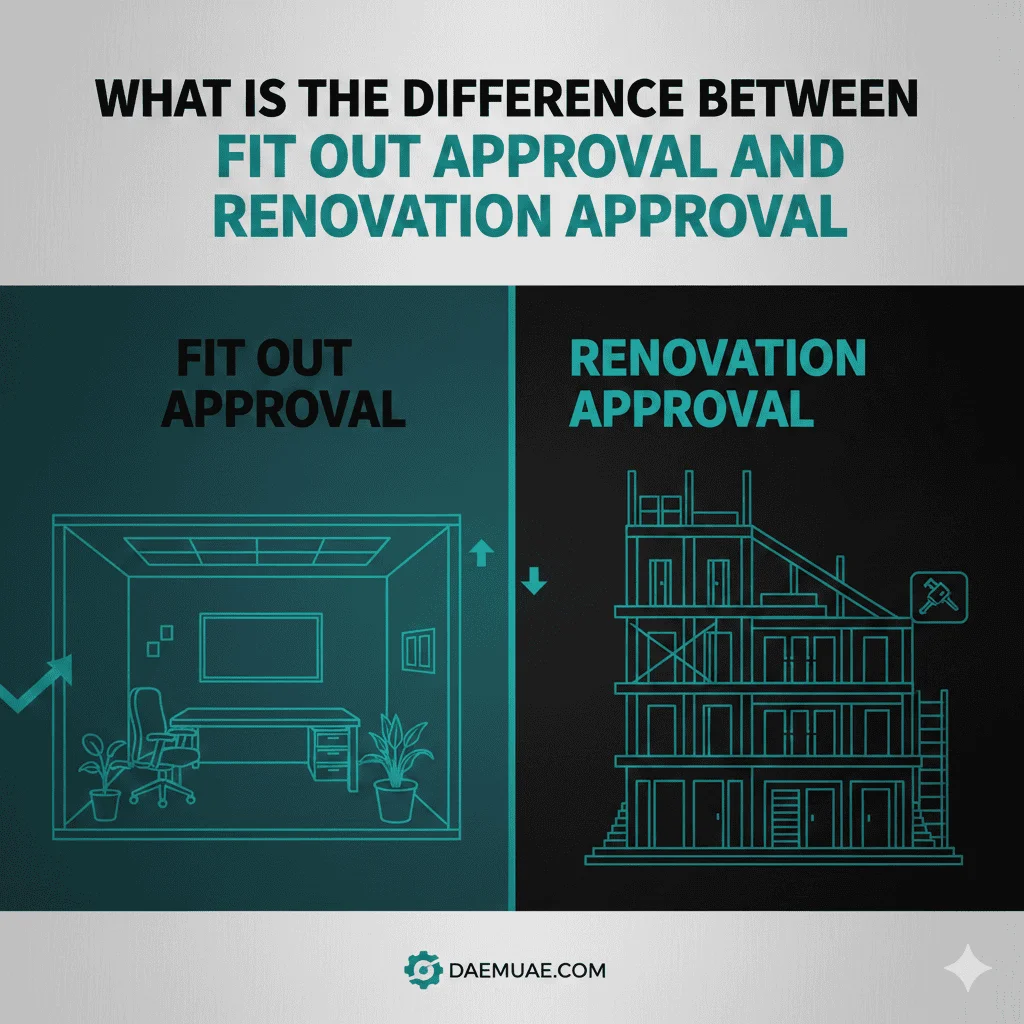
2. Can I renovate an existing clinic without a new fitout approval?
No, you can’t renovate an existing clinic without a new fitout approval. Even minor renovations, such as changing layouts or adding treatment rooms, require updated fitout approvals to ensure compliance with DHA and Civil Defence standards.
3. Are there different fitout approval requirements for clinics in free zones vs. mainland Dubai?
Yes, there are different fitout approval requirements for clinics in free zones vs. mainland Dubai. Free zones such as DIFC, DMCC, and DSO have their own portals and documentation standards, while mainland clinics follow Dubai Municipality or DDA rules. DHA approval is mandatory in both cases.
4. How much does clinic fitout approval cost in Dubai?
Clinic fitout approval costs in Dubai vary depending on the authority and project size. Fees typically include application charges, consultant fees, Civil Defence NOC costs, and inspection fees. Budgeting for approvals is essential to avoid surprises.
Comments are closed